Buy musikhaus.co.at ?
We are moving the project
musikhaus.co.at .
Are you interested in purchasing the domain
musikhaus.co.at ?
domain@kv-gmbh.de · 0541-91531010
Buy musikhaus.co.at ?
Does learning disability belong to disability?
Yes, learning disability belongs to the category of disabilities. It is a condition that affects a person's ability to process, understand, and retain information. Individuals with learning disabilities may struggle with reading, writing, math, or other cognitive skills. Therefore, learning disability is recognized as a type of disability that can impact a person's educational and professional opportunities. **
Is learning disability also a disability?
Yes, learning disability is also considered a disability. It is a neurological condition that can affect a person's ability to process, understand, and retain information. Individuals with learning disabilities may face challenges in areas such as reading, writing, math, and organization. It is important to recognize and support individuals with learning disabilities to ensure they have equal access to education and opportunities. **

Similar search terms for Disability
Top-Angebote
Products related to Disability:
-
JoyToys Montessori Wooden Music Instruments Set For Toddlers Educational Early Learning Toys Montessori Wooden Music Instruments Set For Toddlers Educational Early Learning ToysExperience the joy of watching your little one discover rhythm, sound, and creativity through handson play. This Montessori musical instruments set is designed for toddlers and young children, offering a fun, screenfree way to build confidence while...119,97 $*Shipping: 0,00 $Secure redirect to the provider
-
JoyToys Montessori Toddler Musical Instruments Wooden Percussion Music Toy Set For Preschool Kids Montessori Toddler Musical Instruments Wooden Percussion Music Toy Set For Preschool KidsSpark your little ones love for music through handson play and joyful discovery. This wooden musical instruments set introduces toddlers and preschoolers to rhythm, sound, and creativity with a variety of childfriendly percussion instruments....55,97 $*Shipping: 0,00 $Secure redirect to the provider
-
JoyToys Montessori Wooden Musical Instruments Set For Toddlers Educational Music Toys For Kids Ages 24 Montessori Wooden Musical Instruments Set For Toddlers Educational Music Toys For Kids Ages 24Experience the joy of learning through music with a thoughtfully designed Montessori music toys set that keeps little hands and curious minds engaged. Made for toddlers ages 24, this wooden instrument collection encourages creativity, rhythm, and...64,97 $*Shipping: 0,00 $Secure redirect to the provider
-
Rare Purchases Simulating Music Toys, Children Guitar Toy For Kids, Elementary Instruments With Paddles Learning Set Simulating Music Toys, Children Guitar Toy For Kids, Elementary Instruments With Paddles Learning SetInspire Early Music Confidence Introduce your child to playful music learning with the Children Guitar Toy Can Be Used To Play. Designed for young beginners, this lightweight toy makes it easy for kids to explore rhythm, strumming, and sound. Its...24,97 $*Shipping: 0,00 $Secure redirect to the provider


-
Does learning disability belong to severe disability?
Learning disability is not typically considered a severe disability on its own. While it can significantly impact a person's ability to learn and process information, it does not necessarily affect their physical functioning or independence in the same way that severe disabilities do. However, individuals with learning disabilities may also have other co-occurring conditions that could be considered severe disabilities, such as intellectual disabilities or physical impairments. Therefore, the classification of learning disability as a severe disability may depend on the specific circumstances and individual needs of the person in question. **
-
How can one produce music with a disability?
One can produce music with a disability by utilizing adaptive technology and equipment that is designed to accommodate their specific needs. For example, individuals with physical disabilities can use specialized instruments or software that can be operated using alternative methods such as breath control, eye movement, or voice commands. Additionally, collaborating with other musicians and producers can help in overcoming any physical limitations and creating music that is inclusive and accessible. It's also important to focus on one's strengths and unique abilities, and to seek out support and resources within the music community. **
-
How can one obtain an exemption from co-payments due to disability?
One can obtain an exemption from co-payments due to disability by providing documentation of their disability to their healthcare provider or insurance company. This documentation may include a letter from a healthcare provider, medical records, or a disability determination from a government agency. Once the documentation is submitted, the healthcare provider or insurance company will review the information and determine if the individual qualifies for a co-payment exemption due to their disability. It's important to communicate with the healthcare provider or insurance company to understand their specific requirements and process for obtaining the exemption. **
-
What is the difference between disability-friendly and disability-accessible?
Disability-friendly means that a space or environment is designed in a way that is welcoming and accommodating to individuals with disabilities, taking into consideration their needs and preferences. On the other hand, disability-accessible refers to the physical infrastructure and features that allow individuals with disabilities to navigate and use a space effectively, such as ramps, elevators, and wide doorways. While disability-friendly focuses on creating a supportive and inclusive atmosphere, disability-accessible emphasizes the practical aspects of ensuring equal access and opportunities for individuals with disabilities. **


What is worse: intellectual disability, mental illness, or physical disability?
It is not appropriate to compare the severity of different types of disabilities as each individual's experience is unique and complex. Intellectual disability, mental illness, and physical disability all present their own challenges and impact individuals in different ways. It is important to approach each person with empathy, understanding, and support, regardless of the type of disability they may have. Instead of comparing disabilities, it is more important to focus on creating inclusive and supportive environments for all individuals. **
What is the difference between intellectual disability and learning disability?
Intellectual disability refers to limitations in intellectual functioning and adaptive behavior, which can affect a person's ability to learn and function independently. It is typically diagnosed before the age of 18 and can result in significant limitations in cognitive and adaptive skills. On the other hand, learning disabilities refer to specific difficulties in acquiring and using skills in reading, writing, math, or other academic areas. These difficulties are not primarily due to intellectual disabilities, sensory impairments, or other factors, and individuals with learning disabilities often have average or above-average intelligence. In summary, the main difference between intellectual disability and learning disability is that intellectual disability involves limitations in overall intellectual functioning and adaptive behavior, while learning disabilities are specific difficulties in certain academic areas. **
Top-Angebote
Products related to Disability:
-
Wayland Disability: Don't Call Me Special (A First Look At)Title:. Disability: Don't Call Me Special (A First Look At) Condition: New. Format: Paperback Overview:. Navigating conversations about difference, equality, and inclusion can feel challenging, but this carefully crafted guide transforms a potentially sensitive topic into an accessible educational experience. Designed as part of the acclaimed *First Look At…* series, *Disability: Don’t Call Me Special* introduces young readers to the realities of living with physical, sensory, developmental, and cognitive conditions. Through clear, straightforward language supported by thoughtfully selected imagery, the book explains how some people are born with differences, while others may acquire them through illness or injury. It explores practical accommodations such as mobility aids, hearing technology, braille, and communication devices without framing them as permanent limitations. Instead, the narrative focuses on capability, independence, and the everyday solutions that allow disabled individuals to participate fully in education, employment, and leisure activities. Crucially, the text actively discourages outdated labels, advocating instead for respectful terminology that preserves dignity. The guide walks children through everyday scenarios, demonstrating how simple awareness and consideration break down barriers and foster connection. Rather than presenting disability as a tragic condition, it positions difference as a natural human variation deserving equal opportunity and sensible environmental adjustments. Parents, teachers, and caregivers can confidently use it to spark structured conversations about empathy, fairness, and civic awareness. What Makes This Book Stand Out:. Unlike many introductory titles that default to vague inspiration or overly clinical explanations, this publication strikes a deliberate balance between factual clarity and emotional maturity. Usborne’s proven step-by-step layout makes complex subjects digestible for early readers who have never encountered disability before, while the accompanying visual references keep engagement high without relying on distracting cartoon graphics. The text consistently redirects focus away from medical diagnosis and toward lived experience, highlighting adaptations rather than deficits. Each page encourages critical thinking by prompting questions about accessibility, social attitudes, and personal interactions, turning passive reading into active reflection. Furthermore, the deliberate avoidance of pity-driven narratives empowers disabled individuals implicitly featured throughout the photography, modelling respect rather than hero worship. The concise chapters also make it highly suitable for guided reading sessions, phonics practice, or targeted PSHE literacy blocks. Because it tackles misconceptions head-on—such as confusing impairment with inability—it successfully bridges the gap between adult guidance and child comprehension. Educators particularly value its alignment with modern...7,99 £*Shipping: 2,99 £Secure redirect to the provider
-
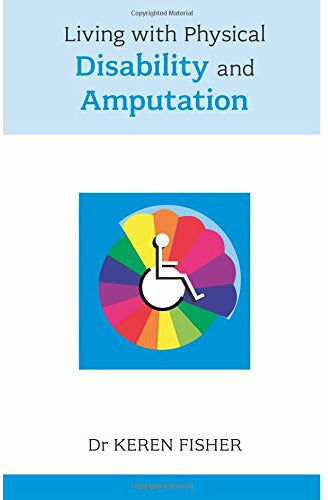
SPCK Living with Physical Disability and Amputation by Keren FisherAccording to the Department of Health, there are 8.7 million physically disabled people in the UK. Of these, some 460,000 people have spinal cord injuries and/or amputations. Acquiring a disability brings specific problems, not just in terms of confidence, self-esteem, and adapting to a new physical reality, but of the recognized medical phenomenon of limb disconnection, which involves a mismatch between the brain's actual representation of the body shape and its physical appearance. There is plenty of mythology around 'phantom limbs' and similar, but this book takes an evidence-based look at the reality, and uses cognitive behavioural therapy and other methods to deal with it.9,99 £*Shipping: 2,99 £Secure redirect to the provider
-
JoyToys Montessori Wooden Music Instruments Set For Toddlers Educational Early Learning Toys Montessori Wooden Music Instruments Set For Toddlers Educational Early Learning ToysExperience the joy of watching your little one discover rhythm, sound, and creativity through handson play. This Montessori musical instruments set is designed for toddlers and young children, offering a fun, screenfree way to build confidence while...119,97 $*Shipping: 0,00 $Secure redirect to the provider
-
JoyToys Montessori Toddler Musical Instruments Wooden Percussion Music Toy Set For Preschool Kids Montessori Toddler Musical Instruments Wooden Percussion Music Toy Set For Preschool KidsSpark your little ones love for music through handson play and joyful discovery. This wooden musical instruments set introduces toddlers and preschoolers to rhythm, sound, and creativity with a variety of childfriendly percussion instruments....55,97 $*Shipping: 0,00 $Secure redirect to the provider
-
Does learning disability belong to disability?
Yes, learning disability belongs to the category of disabilities. It is a condition that affects a person's ability to process, understand, and retain information. Individuals with learning disabilities may struggle with reading, writing, math, or other cognitive skills. Therefore, learning disability is recognized as a type of disability that can impact a person's educational and professional opportunities. **
-
Is learning disability also a disability?
Yes, learning disability is also considered a disability. It is a neurological condition that can affect a person's ability to process, understand, and retain information. Individuals with learning disabilities may face challenges in areas such as reading, writing, math, and organization. It is important to recognize and support individuals with learning disabilities to ensure they have equal access to education and opportunities. **
-
Does learning disability belong to severe disability?
Learning disability is not typically considered a severe disability on its own. While it can significantly impact a person's ability to learn and process information, it does not necessarily affect their physical functioning or independence in the same way that severe disabilities do. However, individuals with learning disabilities may also have other co-occurring conditions that could be considered severe disabilities, such as intellectual disabilities or physical impairments. Therefore, the classification of learning disability as a severe disability may depend on the specific circumstances and individual needs of the person in question. **
-
How can one produce music with a disability?
One can produce music with a disability by utilizing adaptive technology and equipment that is designed to accommodate their specific needs. For example, individuals with physical disabilities can use specialized instruments or software that can be operated using alternative methods such as breath control, eye movement, or voice commands. Additionally, collaborating with other musicians and producers can help in overcoming any physical limitations and creating music that is inclusive and accessible. It's also important to focus on one's strengths and unique abilities, and to seek out support and resources within the music community. **
Similar search terms for Disability
-
JoyToys Montessori Wooden Musical Instruments Set For Toddlers Educational Music Toys For Kids Ages 24 Montessori Wooden Musical Instruments Set For Toddlers Educational Music Toys For Kids Ages 24Experience the joy of learning through music with a thoughtfully designed Montessori music toys set that keeps little hands and curious minds engaged. Made for toddlers ages 24, this wooden instrument collection encourages creativity, rhythm, and...64,97 $*Shipping: 0,00 $Secure redirect to the provider
-
Rare Purchases Simulating Music Toys, Children Guitar Toy For Kids, Elementary Instruments With Paddles Learning Set Simulating Music Toys, Children Guitar Toy For Kids, Elementary Instruments With Paddles Learning SetInspire Early Music Confidence Introduce your child to playful music learning with the Children Guitar Toy Can Be Used To Play. Designed for young beginners, this lightweight toy makes it easy for kids to explore rhythm, strumming, and sound. Its...24,97 $*Shipping: 0,00 $Secure redirect to the provider
-
Inspire Select Portable Multifunction Plastic Tool Box Case Protective Storage For Instruments, Notebook, Outdoor Gear & Equipment 14 10.5 3.5 InProtect your essentials the smart waybecause cracked devices, scattered tools, and lost accessories cost time and money. This portable protective storage case is designed to keep instruments, notebooks, and hardware tools safely organized whether...119,90 $*Shipping: 0,00 $Secure redirect to the provider
-
Tiny Tots Teens Trends Educational Toy Baby Music Instruments, Colorful Musical Games For Kids, Early Montessori Children Trumpet Random Color Educational Toy Baby Music Instruments, Colorful Musical Games For Kids, Early Montessori Children Trumpet RandoIntroduce your child to the joy of music and early learning with this highquality baby music instrument set designed for young children. With 1 pc of random color Baby Music Toys and Educational Toy Colorful Musical Instruments, this set offers an...31,97 $*Shipping: 0,00 $Secure redirect to the provider
-
How can one obtain an exemption from co-payments due to disability?
One can obtain an exemption from co-payments due to disability by providing documentation of their disability to their healthcare provider or insurance company. This documentation may include a letter from a healthcare provider, medical records, or a disability determination from a government agency. Once the documentation is submitted, the healthcare provider or insurance company will review the information and determine if the individual qualifies for a co-payment exemption due to their disability. It's important to communicate with the healthcare provider or insurance company to understand their specific requirements and process for obtaining the exemption. **
-
What is the difference between disability-friendly and disability-accessible?
Disability-friendly means that a space or environment is designed in a way that is welcoming and accommodating to individuals with disabilities, taking into consideration their needs and preferences. On the other hand, disability-accessible refers to the physical infrastructure and features that allow individuals with disabilities to navigate and use a space effectively, such as ramps, elevators, and wide doorways. While disability-friendly focuses on creating a supportive and inclusive atmosphere, disability-accessible emphasizes the practical aspects of ensuring equal access and opportunities for individuals with disabilities. **
-
What is worse: intellectual disability, mental illness, or physical disability?
It is not appropriate to compare the severity of different types of disabilities as each individual's experience is unique and complex. Intellectual disability, mental illness, and physical disability all present their own challenges and impact individuals in different ways. It is important to approach each person with empathy, understanding, and support, regardless of the type of disability they may have. Instead of comparing disabilities, it is more important to focus on creating inclusive and supportive environments for all individuals. **
-
What is the difference between intellectual disability and learning disability?
Intellectual disability refers to limitations in intellectual functioning and adaptive behavior, which can affect a person's ability to learn and function independently. It is typically diagnosed before the age of 18 and can result in significant limitations in cognitive and adaptive skills. On the other hand, learning disabilities refer to specific difficulties in acquiring and using skills in reading, writing, math, or other academic areas. These difficulties are not primarily due to intellectual disabilities, sensory impairments, or other factors, and individuals with learning disabilities often have average or above-average intelligence. In summary, the main difference between intellectual disability and learning disability is that intellectual disability involves limitations in overall intellectual functioning and adaptive behavior, while learning disabilities are specific difficulties in certain academic areas. **
* All prices are inclusive of VAT and, if applicable, plus shipping costs. The offer information is based on the details provided by the respective shop and is updated through automated processes. Real-time updates do not occur, so deviations can occur in individual cases. ** Note: Parts of this content were created by AI.